
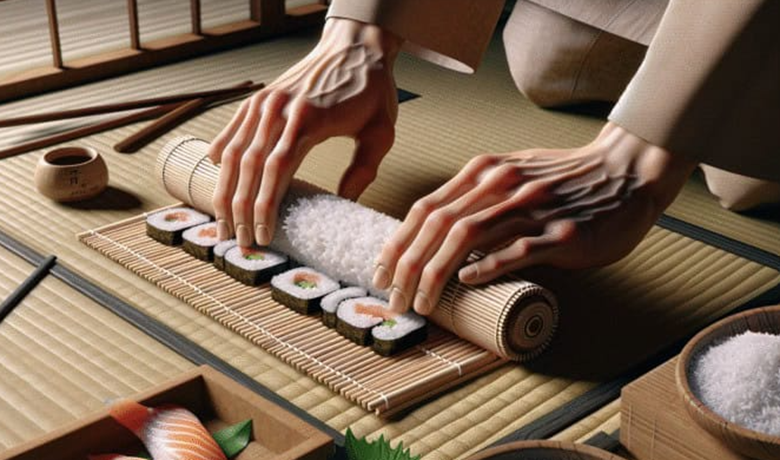
Rolling techniques have evolved significantly over time, reflecting changes in culture, craftsmanship, and modern innovation. From traditional hand-rolling methods passed down through generations to contemporary techniques enhanced by specialized tools, rolling remains both an art and a skill. Understanding these different styles provides insight into how tradition and technology shape today’s practices.
Traditional Rolling Methods
Traditional rolling techniques rely heavily on manual skill and experience. In many cultures, rolling has been used in culinary arts, craftsmanship, and other handmade practices. These methods emphasize precision, patience, and consistency. Without advanced tools, individuals develop strong hand control and technique to achieve even shapes and uniform results.
One key advantage of traditional rolling is authenticity. It preserves heritage and maintains a personal touch that machines cannot replicate. However, mastering these techniques often requires practice and time. The results, though, tend to reflect the individual’s expertise and craftsmanship.
The Transition to Modern Approaches
As technology progressed, rolling techniques began incorporating tools and devices designed to improve efficiency and consistency. Rolling pins, molds, presses, and mechanical rollers have streamlined processes that once depended solely on hand skills. These innovations reduce physical strain and speed up production while maintaining quality.
Modern methods also allow for greater experimentation. With improved precision tools, individuals can create more complex designs and achieve consistent thickness or structure. This shift represents a balance between preserving traditional principles and embracing convenience.
Contemporary and Innovative Styles
Today, rolling techniques combine manual skill with advanced equipment. Contemporary styles focus on creativity, customization, and efficiency. Automated tools and adjustable devices provide flexibility while maintaining uniformity. Some methods even integrate digital measurement systems to ensure accuracy.
Final Thoughts
Despite these advancements, many enthusiasts still value traditional approaches. The contemporary landscape shows that both old and new techniques can coexist. By blending heritage skills with modern tools, practitioners achieve results that are both authentic and innovative.
Ultimately, rolling techniques continue to evolve, shaped by tradition, creativity, and technology. Whether rooted in heritage or driven by modern design, each method plays an important role in preserving and advancing the craft.
This post was written by a professional at Suhi Inc. Sushi Inc. is a vibrant restaurant that offers what is considered the best sushi in St Pete. Opening its doors in 2013 and becoming a local staple by offering live music, traditional hand-rolled sushi and a friendly atmosphere, our guests always have a top notch experience. Customers love our award-winning, fresh and creative Sushi rolls, Nigiri, and Sashimi. With a larger selection of tempura, non-Sushi, and teriyaki options, we can accommodate every taste.

 Add a joy of best Taste