
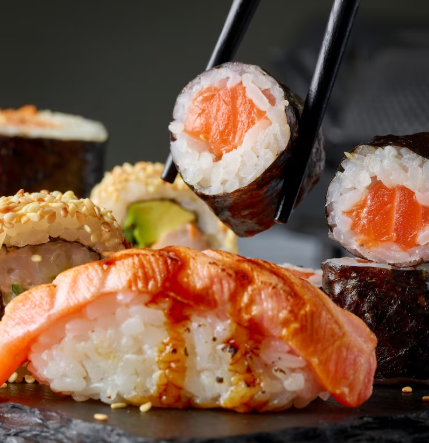
Walking into a sushi restaurant for the first time can feel a little intimidating. The menu has unfamiliar words. The pieces look delicate. And you start wondering, “Am I about to do something rude without realizing it?” The good news is this: sushi etiquette is mostly about being respectful and not overcomplicating things.
This sushi etiquette guide will help you feel comfortable, whether you’re eating sushi casually with friends or sitting at a sushi bar for the first time.
The big idea: respect the food and the people making it
Sushi is simple on purpose. Many pieces are designed to be eaten as-is, with the chef balancing flavors carefully. Etiquette isn’t about being perfect. It’s about letting the sushi be what it’s meant to be.
Do’s and don’ts at the table
Do: eat sushi in one bite when possible
Most nigiri (fish on rice) is meant to be eaten in one bite. It keeps the fish and rice together and lets you taste the whole balance at once. If a piece is huge, it’s okay to take two bites. Just try not to pull it apart with chopsticks unless you really have to.
Don’t: drown sushi in soy sauce
Soy sauce is a seasoning, not a bath. Too much soy sauce overwhelms the fish and can make the rice fall apart. A small dip goes a long way.
Do: eat in a sensible order
If you’re ordering a variety, it helps to start with lighter fish and move toward richer flavors. A simple flow looks like:
- White fish or mild rolls
- Salmon or tuna
- Richer items like eel
- Fried or heavily sauced rolls last
This isn’t a strict rule, but it can make the meal taste better.
How to use soy sauce the right way
This is one of the biggest “newbie stress” points, so let’s make it easy.
Nigiri: dip the fish, not the rice
For nigiri, try to dip the fish side lightly into soy sauce. If you dip the rice, it can soak up soy sauce and fall apart. Some people gently tilt the nigiri or turn it slightly so the fish touches the soy sauce first.
Rolls: a light dip is fine
Rolls can be dipped lightly. Just don’t soak them. If the roll has a sauce already, you may not need soy sauce at all.
Wasabi: what to do (and what not to do)
Wasabi is another area where people overthink.
Don’t: mix wasabi into the soy sauce (usually)
Mixing wasabi into soy sauce is common in some places, but it’s not considered “classic” etiquette, especially for nigiri. It can overpower the fish and change the intended flavor.
Do: use a small amount directly if you want it
Many nigiri pieces already come with a bit of wasabi between the fish and rice. If you want more, you can add a tiny amount on top of the fish. Just be careful. A little goes a long way, and too much can wipe out the taste of the sushi.
Chopsticks etiquette (simple and realistic)
You don’t need perfect chopstick skills to enjoy sushi. But a few habits help.
Do:
- Use chopsticks to pick up sushi, or use your hands for nigiri if you prefer
- Rest chopsticks on the holder when you’re not using them
- Ask for a fork if you’re struggling (no shame)
Don’
- Stick chopsticks upright in a bowl of rice (this is associated with funeral rituals)
- Pass food directly from chopsticks to chopsticks
- Rub disposable chopsticks together (it can look like you’re criticizing quality)
Also, try not to spear sushi with chopsticks. It happens, but it’s better to gently pinch and lift.
Ginger: it’s a palate cleanser
Pickled ginger is not usually meant to go on top of sushi like a topping. It’s meant to cleanse your palate between bites, especially when switching from one type of fish to another. If you love ginger and want to eat it with the sushi, nobody is going to arrest you, but traditionally, it’s more of a “reset button.”
At the sushi bar: a few extra tips
If you’re sitting at the bar and interacting with the chef:
- Be polite and keep it simple
- If you’re unsure, ask what they recommend
- If you’re doing omakase (chef’s choice), trust the pacing and don’t rush
It’s okay to talk, but try not to wave hands over the sushi or lean too far over the counter. It’s a working space.
Final thoughts
The real goal of any sushi etiquette guide is comfort. Be respectful, don’t drown things in soy sauce, use wasabi thoughtfully, and treat chopsticks properly. Most importantly, enjoy the food. Sushi is meant to be appreciated, not stressed over.
This post was written by a professional at Fortu. Fortu stands out among the top Restaurants St Petersburg FL, offering an elevated Pan-Asian dining experience in the heart of St. Petersburg, Florida. Celebrating Asia’s vibrant and diverse culture, Fortu introduces bright and bold flavors to a bright and bold city with a menu of locally and sustainably sourced options, from small bites to hearty delicacies. Whether winding down from a beach day or celebrating a special occasion, guests can enjoy a lush, alluring atmosphere and an authentic taste of Asia’s divine cuisine at one of the finest Restaurants In Downtown St Petersburg FL.

 Add a joy of best Taste