
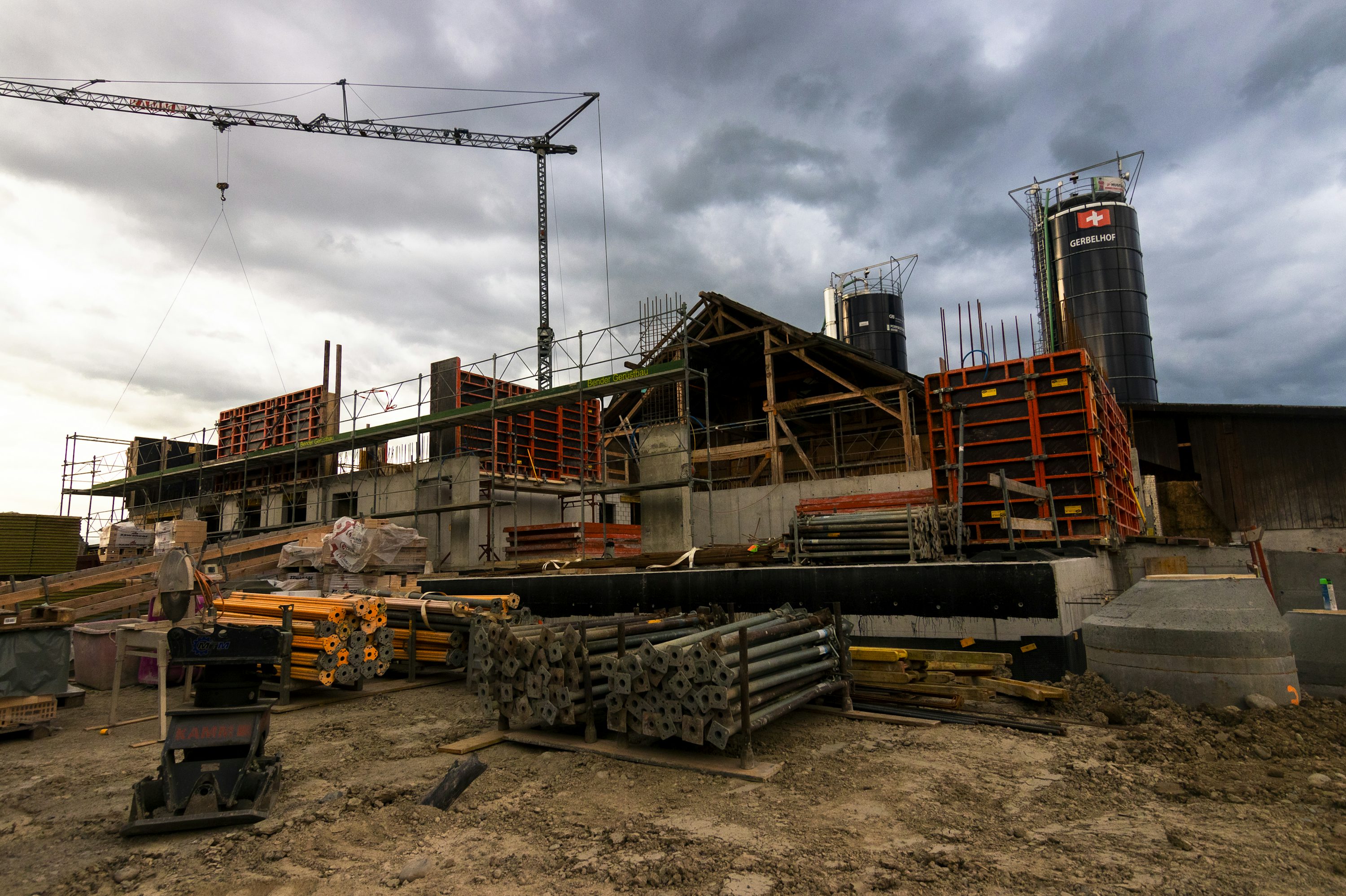
Excavation work is essential to many construction and landscaping projects, but it can have a significant impact on the surrounding environment if not managed responsibly. From soil erosion to water contamination and noise pollution, the potential for environmental damage is real. Whether you’re planning a large-scale development or a smaller residential project, understanding how to minimize these effects is crucial. If you’re exploring options such as excavator hire Ballina, it’s worth taking time to plan for sustainable practices that reduce waste, protect ecosystems, and ensure compliance with environmental standards.
1. Plan for Environmental Protection
Before breaking ground, a detailed site assessment should be completed. Identify sensitive areas such as waterways, trees, drainage channels, or habitats that could be affected by excavation. Understanding soil types, water flow, and erosion risks helps you create a plan that minimizes disturbance.
Good planning also includes:
- Mapping out excavation boundaries to avoid unnecessary clearing.
- Establishing access routes that protect existing vegetation.
- Scheduling works during dry periods to reduce sediment runoff.
- Implementing erosion control measures such as silt fencing, mulch, or temporary drains.
A pre-excavation environmental plan not only reduces damage but can also save time and money by preventing costly remediation work later.
2. Choose the Right Equipment for the Job
Using the correct machine size and attachments significantly affects both efficiency and environmental impact. A smaller excavator consumes less fuel and causes less ground disturbance, making it ideal for confined or delicate sites. Conversely, overusing large, heavy machinery can compact soil, damage root systems, and create drainage issues.
When planning your excavator hire ballina, match the equipment to your project needs. Consider:
- Mini excavators for tight or residential areas where minimal ground disruption is required.
- Tilt buckets and hydraulic thumbs for precise work that reduces re-digging or unnecessary movement.
- Track pads or mats to minimize soil compaction and protect surfaces.
By selecting the most suitable excavator and attachments, you’ll reduce fuel usage, limit disturbance, and improve overall site sustainability.
3. Manage Soil and Spoil Responsibly
Excavation produces excess soil and material known as spoil. Poor handling of spoil can lead to contamination, erosion, and unnecessary landfill waste. To manage this properly:
- Separate topsoil from subsoil during excavation so it can be reused for landscaping or rehabilitation.
- Store spoil piles away from drainage lines and protect them with tarps or sediment barriers.
- Reuse clean fill on-site where possible to reduce the need for transport and disposal.
Planning for spoil management from the start prevents runoff pollution and reduces your project’s carbon footprint.
4. Protect Waterways and Drainage Systems
One of the most significant environmental risks during excavation is sediment and pollutant runoff entering stormwater drains and natural waterways. Simple preventative measures can have a major impact:
- Install sediment control barriers such as silt socks or filter fences.
- Divert clean water away from excavation zones to prevent cross-contamination.
- Avoid washing equipment near drains or natural watercourses.
- Regularly inspect erosion controls, especially after rain.
These practices protect water quality and help maintain compliance with environmental regulations.
5. Reduce Fuel Use and Emissions
Excavators are heavy diesel-powered machines that contribute to air pollution and greenhouse gas emissions. Reducing idle time, maintaining machines, and using efficient operators all help cut emissions. Some additional tips include:
- Scheduling work efficiently to minimize machine hours.
- Servicing engines regularly to maintain fuel efficiency.
- Considering hybrid or low-emission equipment if available.
- Sharing transport loads when possible to reduce delivery emissions.
Small improvements in fuel efficiency can make a significant difference over time—both environmentally and economically.
6. Control Noise and Dust
Noise and dust are unavoidable byproducts of excavation, but they can be managed effectively. Use dust-suppression techniques such as water spraying or covering dry material piles. Keep haul routes damp and ensure spoil is covered when transported.
For noise control:
- Schedule work during appropriate daytime hours.
- Maintain machinery to reduce engine and hydraulic noise.
- Use acoustic barriers or temporary fencing where nearby residents or businesses may be affected.
Thoughtful planning keeps projects compliant and maintains positive community relationships.
7. Rehabilitate the Site Post-Excavation
Once excavation is complete, site rehabilitation is essential. This includes stabilizing soil, replanting vegetation, and ensuring drainage systems function correctly. Reuse topsoil and native plants where possible to restore natural balance and encourage faster regrowth.
Simple actions, such as smoothing disturbed surfaces and adding ground cover, help prevent erosion long after the project ends.
8. Partner with Environmentally Conscious Operators
Hiring professionals who understand sustainable excavation can make all the difference. Experienced operators know how to minimize ground disturbance, handle materials efficiently, and adhere to environmental management plans. When booking equipment or services, choose providers that maintain modern, well-serviced machinery and follow best-practice ecological standards.
Conclusion
Sustainable excavation doesn’t just protect the environment—it improves project efficiency, reduces costs, and demonstrates responsible construction practices. By planning carefully, choosing the right machinery, managing spoil responsibly, and restoring the site afterward, you can significantly reduce environmental harm.
Whether you’re managing a small residential dig or a larger civil project, responsible excavation starts with awareness and preparation. When comparing options for excavator hire ballina, look for partners who prioritize sustainability and safety. With the right approach, you can complete your project cleanly, efficiently, and with minimal environmental impact.

 Add a joy of best Taste